
Written by Dr. Stavros Athanasiou
Urinary incontinence can affect women of different ages, limiting their comfort, confidence and daily activities. An early and accurate diagnosis helps identify a targeted approach to treatment, with the aim of relieving symptoms and improving quality of life.
If you are wondering “What can I do about urinary incontinence?”, there are practical steps you can take today. However, meaningful improvement often requires time, consistency and personalised guidance.
Below, you will find the main management options and links to our detailed guides.
1. Types of Urinary Incontinence: The Essential Starting Point
Identifying the type of urinary incontinence is a key step in choosing the right treatment. Not all urine leakage is managed in the same way.
Stress Incontinence
Urine leakage occurs when you cough, sneeze, laugh, lift heavy objects or exercise. It is often associated with inadequate support of the urethra and weakness in the mechanisms that prevent urine leakage.
Urge Incontinence
A sudden, strong urge to urinate is accompanied by leakage before you can reach the toilet. It is often associated with an overactive bladder.
Mixed Incontinence
This combines symptoms of stress and urge incontinence. Treatment is tailored to the symptoms that bother you most.
Functional Incontinence
Mobility difficulties, memory problems or obstacles to accessing the toilet can make it difficult to get there in time. This does not necessarily mean there is a problem with the bladder itself.
Read more in our guide: What Are the Types of Urinary Incontinence?
2. What Can I Do About Urinary Incontinence? Practical Steps for Relief
Pelvic Floor Exercises (Kegels)
Kegel exercises help strengthen the pelvic floor muscles and improve muscle control. It is important to perform them correctly, both contracting and fully relaxing the appropriate muscles.
Seek guidance from a specialist, particularly if you are unsure about the technique or experience pain. Improvement is gradual: these exercises are not an overnight solution.
Kegel Exercises: Conservative Treatment for Urinary Incontinence
Learn how Kegel exercises help strengthen the pelvic floor muscles and improve bladder control. Find information on proper technique, exercise frequency and the importance of consistency.
Read the Guide to Kegel ExercisesContraction · Relaxation
Symbolic Illustration
Adjusting Your Diet and Fluid Intake
Notice whether certain drinks or foods make your symptoms worse. The following changes may help:
- Reducing caffeine, particularly if you experience strong urinary urgency.
- Limiting alcohol and carbonated drinks if you find that they aggravate your symptoms.
- Avoiding spicy foods only if they are associated with worsening your own symptoms.
- Avoiding large amounts of fluid shortly before bedtime if you are troubled by nocturia (waking at night to urinate).
Do not excessively restrict your water intake. Hydration needs vary, and any changes should be tailored to your health and daily routine.
Bladder Training
Bladder training is mainly used for urge and mixed incontinence. A personalised programme gradually increases the time between toilet visits, without holding urine to the point of pain.
Keep a record of when you urinate, what you drink and when leakage occurs. This diary helps your doctor understand your symptoms and plan your programme.
Learn more: Bladder Training Programme.
Maintaining a Healthy Body Weight
If you are overweight, gradual weight loss may help reduce symptoms. Small, consistent changes to your diet and physical activity are preferable to extreme measures.
3. Modern Treatment Options for Urinary Incontinence
Non-Invasive Treatment with the BTL EMSELLA Chair
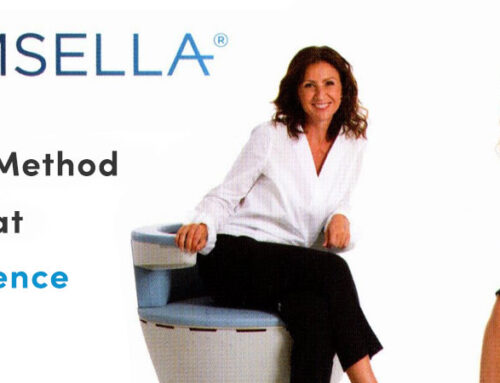
Our clinic offers BTL EMSELLA, an electromagnetic stimulation technology that induces contractions of the pelvic floor muscles while the patient remains fully clothed.
Your doctor assesses whether the treatment is suitable based on the type of incontinence, your medical history and any contraindications. Results vary, and choosing this treatment does not replace the need for an initial diagnosis.
BTL EMSELLA: Μη επεμβατική αντιμετώπιση της ακράτειας
Γνωρίστε την καρέκλα BTL EMSELLA, που χρησιμοποιεί ηλεκτρομαγνητική διέγερση για την ενεργοποίηση των μυών του πυελικού εδάφους, ενώ παραμένετε ντυμένη. Μάθετε πώς πραγματοποιούνται οι συνεδρίες και πώς αξιολογείται αν η μέθοδος είναι κατάλληλη για εσάς.
Μάθετε περισσότερα για την BTL EMSELLAΗλεκτρομαγνητική διέγερση
Συμβολική απεικόνιση
Medication
Medication is mainly used for overactive bladder and urge incontinence. Your doctor selects the treatment based on any other medical conditions, the medicines you already take and potential side effects.
Interventional and Surgical Options
When conservative management is insufficient, different options may be discussed depending on the type of incontinence:
- For stress incontinence: periurethral injections of bulking agents or an appropriate surgical procedure.
- For persistent urge incontinence: botulinum toxin injections into the bladder wall or neuromodulation techniques, in selected cases.
Laser treatments for stress incontinence have limited evidence regarding their long-term effectiveness and safety and are not presented as an established first-line treatment.
4. Urinary Incontinence and Pregnancy
Hormonal changes, increasing weight and pressure from the uterus may contribute to urinary incontinence during pregnancy. Although it is common, you do not need to put up with it without support.
Discuss your symptoms with your gynaecologist to ensure that exercises and other interventions are appropriate during pregnancy. If symptoms persist after childbirth, seek reassessment.
Read the related article: Urinary Incontinence During Pregnancy: Management Options.
5. Practical Tips for Everyday Life
To manage your daily life more comfortably:
- Keep a diary of urination, fluid intake and leakage episodes.
- Observe how your symptoms relate to caffeine, alcohol and carbonated drinks.
- Choose exercise that does not worsen leakage and adjust the intensity with professional guidance.
- Use suitable absorbent products when needed as temporary support.
- Make the toilet easier to access if you have mobility difficulties.
15 χρήσιμες συμβουλές για την ακράτεια ούρων
Μικρές αλλαγές στις καθημερινές συνήθειες μπορούν να βοηθήσουν στη διαχείριση της ακράτειας. Ανακαλύψτε πρακτικές συμβουλές για τα υγρά, τη διατροφή και την καθημερινότητά σας, συγκεντρωμένες σε έναν εύχρηστο οδηγό.
Δείτε τις 15 χρήσιμες συμβουλές6. When to Consult a Specialist
If:
- Urinary incontinence affects your daily life.
- You experience persistent discomfort or pain.
- You have recurrent urinary tract infections.
- You notice no improvement or a gradual worsening of your condition.
You should consult a specialist doctor.
Dr Stavros Athanasiou is an obstetrician–gynaecologist specialising in Urogynaecology and reconstructive pelvic floor surgery.
He has introduced minimally invasive approaches to treating urinary incontinence in women, including the use of platelet-rich plasma (PRP).
The findings of the relevant study conducted by his research team were recently published in an international scientific journal of urogynaecology. The study also received the first prize for best research study at the European Urogynaecology Congress.
Conclusion
Urinary incontinence does not need to be met with embarrassment or simply waiting for it to “go away”. Identifying its type, making practical changes and receiving appropriate treatment can make a meaningful difference.
Start by recording your symptoms and seeking personalised guidance. This allows your care to be tailored to your needs and daily life.
Is urinary incontinence affecting your daily life? Contact our clinic to discuss your symptoms and suitable management options.